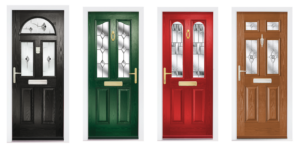
Comprehensive Guide to Composite Door Repairs: An In-Depth Look
Composite doors have gotten tremendous appeal in recent years due to their excellent sturdiness, aesthetic appeal, and energy performance. Unlike traditional wood doors, composite doors are made from a mix of materials, normally combining wood, PVC, and glass-reinforced plastic. While they offer many benefits, composite doors are not immune to use and tear, weather difficulties, and unexpected damage. Comprehending how to repair them is vital for house owners looking to preserve their door's performance and appearance over time.
Typical Problems Faced by Composite Doors
Despite their robust building, composite doors may come across several concerns. Here are a few of the most commonly reported problems:
1. Misalignment
Composite doors can become misaligned in time due to modifications in humidity, temperature level changes, or defective setup. This misalignment can trigger issues with closing and locking the door effectively.
2. Scratches and Dents
Composite doors can develop cosmetic damage from unexpected bumps, scrapes, or extreme wear. While this does not affect performance, it can substantially impact the door's look.
3. Locking Mechanism Failure
As a crucial part of any door, the locking system may break or breakdown gradually. This can compromise the door's security and ease of access.
4. Sealant Wear
The weather seals around composite doors might degrade, resulting in drafts and reduced energy efficiency. A used seal can likewise result in water leakages.
5. Paint and Finish Damage
The paint or finish on composite doors can peel, fade, or chip, diminishing the door's appearance along with its protective qualities.
Repair Techniques for Composite Doors
Repairing a composite door often involves specific techniques tailored to the type of damage came across. Below are some efficient approaches to deal with the typical problems discussed above:
1. Dealing with Misalignment
- Check Hinges: Inspect the door hinges for wear or damage. Tighten up screws as needed or replace hinges if they are defective.
- Adjust the Striker Plate: If the door isn't closing appropriately, change the striker plate to align with the lock latch.
- Shimming: If the door is sagging, consider shimming the hinges to lift the door back into positioning.
2. Repairing Scratches and Dents
- Usage Composite Repair Kits: These packages usually include fillers that can be used to scratches and damages. When repaired, you can sand and paint over the area to mix it with the rest of the door.
- Repaint or Refinish: If the damage is extensive, repainting or refinishing the door may be necessary for an uniform appearance.
3. Fixing the Locking Mechanism
- Lubrication: Often, the initial step is to apply lubricant to the locking mechanism to ensure it moves easily.
- Replacement: If lubrication does not resolve the concern, think about replacing the lock cylinder or the whole hardware setup.
4. Changing Weather Seals
- Eliminate Old Seals: Carefully remove the used or damaged seal from the frame.
- Install New Weather Stripping: Cut the new seal to size and adhere it effectively, ensuring it fits comfortably versus the door.
5. Touching Up Paint and Finish
- Repaint: For small chips and scratches, touch up with the very same color paint used originally. For Golders Green composite door hinge replacements , you might need to sand down the surface and repaint.
- Apply a Clear Coating: Once painted, including a clear protective coat can assist keep the door's finish in the long term.
Preventive Measures to Extend the Life of Composite Doors
While repairs are vital in maintaining your composite door, preventive steps can help mitigate future issues. Property owners must consider the following ideas:
- Regular Maintenance: Routine inspections for wear and tear can lead to early detection and repair of problems.
- Weather condition Protection: Reapply sealants and completes regularly to protect against moisture and UV damage.
- Keep Hardware Maintained: Regularly lube hinges and locks to ensure smooth operation.
- Monitor for Leaks: Inspect for water penetration and address concerns quickly.
Frequently Asked Questions about Composite Door Repairs
1. Just how much do composite door repairs normally cost?
The cost of repairs can differ significantly based upon the extent of damage and the region where you live. Small repairs, like scratches or misalignment, might only cost a few dollars in materials, while significant repairs, such as replacing locking systems or entire sections of the door, could range from ₤ 100 to over ₤ 500.
2. Can I repair a composite door myself?
Lots of composite door repairs can be DIY tasks with the right tools and materials. However, property owners must beware when handling significant concerns, particularly related to the door's structural integrity or security.
3. How frequently should I carry out maintenance on my composite door?
It's recommended to inspect and keep composite doors at least as soon as a year. This includes checks on seals, locks, hinges, and the door's total appearance.
4. What is the life expectancy of a composite door?
Composite doors can last between 30 to 50 years with proper care and maintenance, substantially lasting longer than traditional wood doors.
5. Should I work with a professional for repairs?
If you feel unpleasant dealing with a repair, or if the issue is serious (like a failing locking system), hiring a professional can save time and ensure that repairs are done correctly.
Composite doors provide a blend of style, security, and functionality, however like any product, they are prone to damage and wear with time. By comprehending typical concerns and repair strategies, house owners can keep their composite doors in outstanding condition, prolonging their life-span and preserving their aesthetic appeal. With regular maintenance and prompt repairs, these doors can continue to serve as a durable barrier against the components and trespassers alike.